
The bar of today
De Blauwe Parade is an ode to pleasure, quality, and togetherness. A place where heritage and modern bar culture meet. Raise a glass here, now and a hundred years from now.

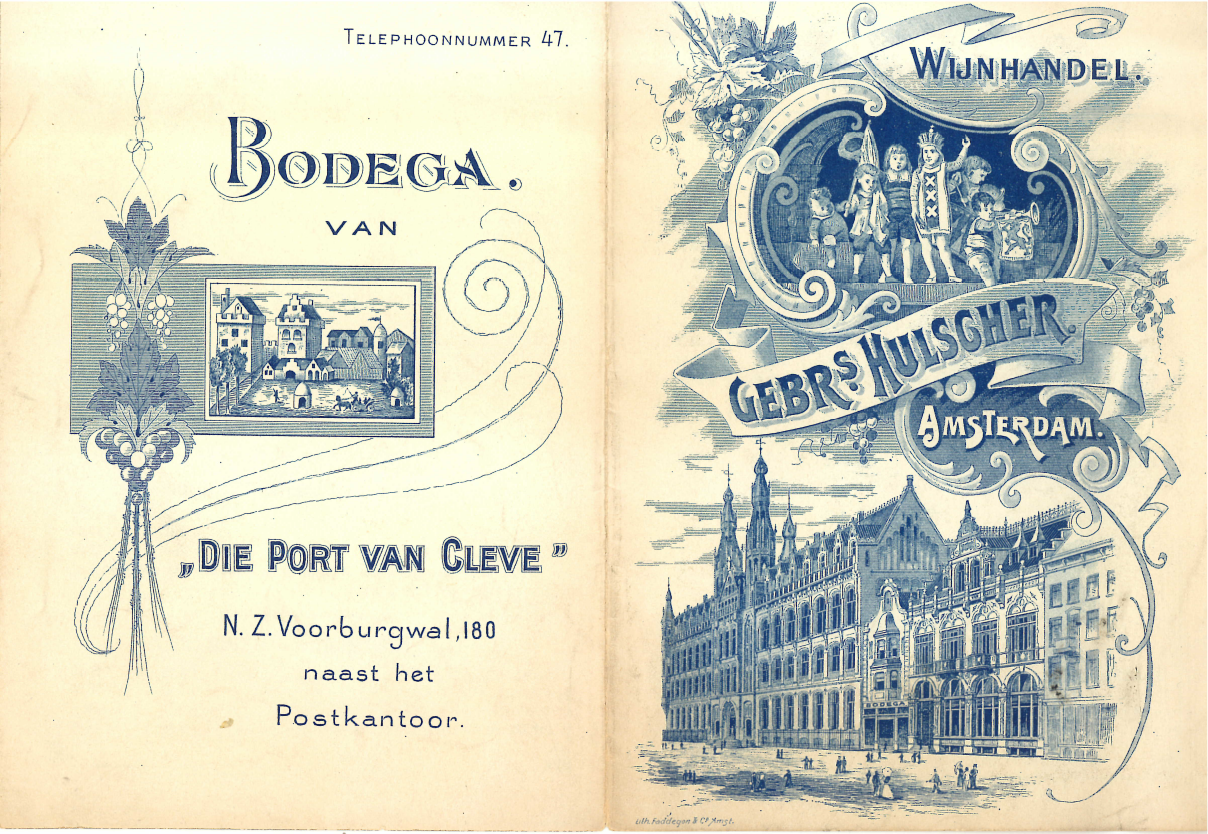
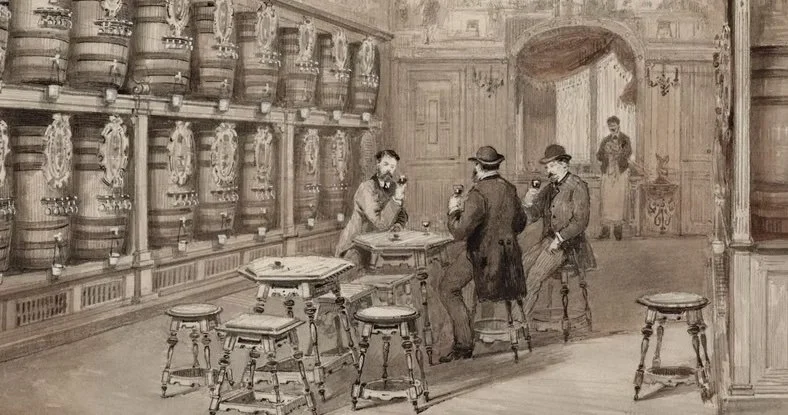
On 5 September 1870, the Hulscher brothers opened their beer house, Die Port van Cleve, in this very building, serving exclusively Heineken beers. Always quick to spot an opportunity, they later acquired a vineyard in Portugal and became determined to bring these wines, along with port and sherry, to Amsterdam. To do so, they took over the neighbouring bar and transformed it into a bodega. In 1887, De Blauwe Parade opened its doors, with large wine casks lining the walls and the iconic tile tableau as its centrepiece. De Blauwe Parade was also ahead of its time: one of the first cafés to feature electric lighting in 1879, originally installed for a royal visit that, in the end, never took place.
Heritage in a glass
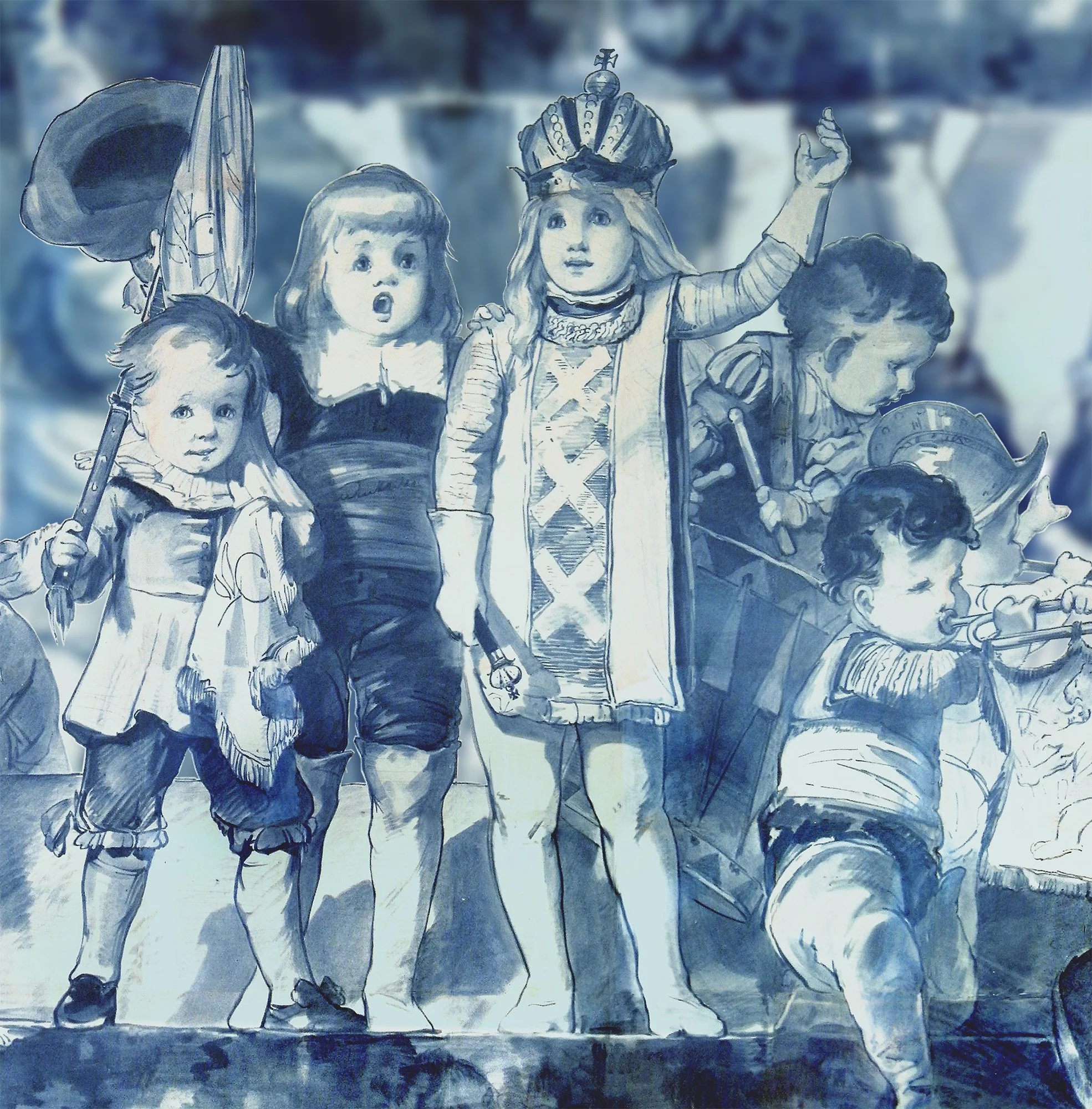
Since 1887, this has been a place to pour, to talk, and to toast. What began with the Hulscher brothers grew into a fixture in The heart of Amsterdam. At the heart of the bar sits the iconic Delft Blue tile tableau from 1887, crafted by Royal Delft (De Koninklijke Porceleyne Fles). It depicts a parade of children celebrating the triumphs of the city, with Emperor Maximilian I at its centre. His crown and the three crosses symbolise bravery, determination, and compassion — values still reflected in the coat of arms of Amsterdam today.
The Delft Blue tile tableau
De Blauwe Parade is home to a truly unique centrepiece: the largest Delft Blue tile panel in the world. Recently fully restored, the tableau tells a story of Amsterdam pride, the city’s lively parades, and the rich cultural heritage captured in every single tile.